Port becomes first WCAG-compliant IDP
Port is the first WCAG 2.2-compliant IDP, giving you a platform where your entire team can improve their workflow.



Platform engineering’s core tenet is improvement — platforms should improve the software development process for everyone. With everyone in mind, we’re happy to announce Port is the first WCAG 2.2-compliant internal developer portal (IDP), giving you a platform where your entire team can improve their workflow.
Meeting WCAG accessibility standards
The W3C oversees a set of Web Content Accessibility Guidelines (WCAG) to ensure websites can be used by a wide range of people with disabilities and cognitive limitations. Our team worked for the greater part of a year updating page layouts, feature designs, and core components of the site’s UI to comply with these guidelines. From tooltips and alt text to color contrast and screen reader compatibility, Port’s layout is designed to meet the needs of a diverse range of people and teams.
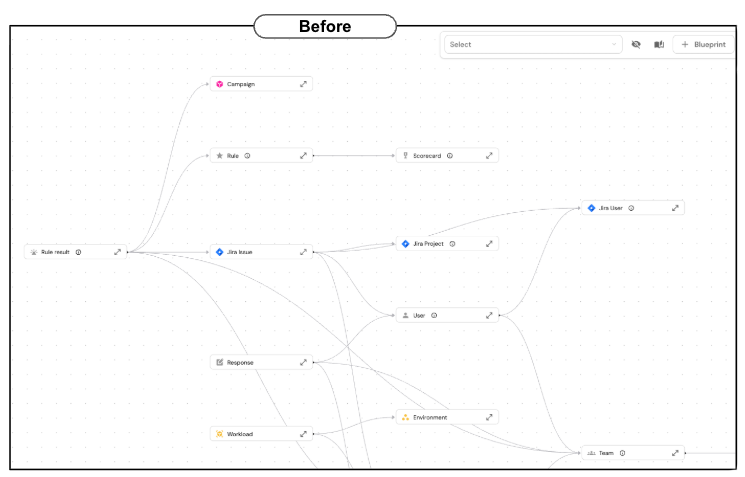
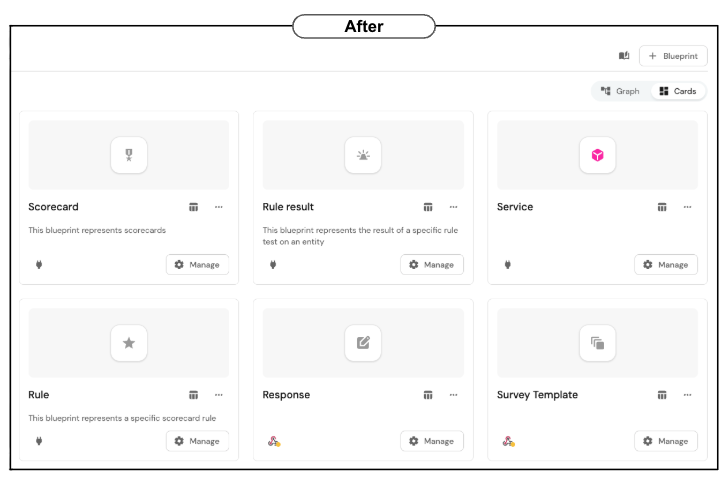
Moreover, we’ll continue to improve and implement accessibility features going forward, to make sure your team is equipped to work as efficiently as possible.
Build accessibility into your SDLC with Port
Accessibility isn’t just a nice thing to have: if a necessary tool doesn’t work for one team member, that impacts everyone on your team. Integrating accessibility into your SDLC should be a priority. When you use Port, your team can work across the SDLC with the reassurance that accessibility is already considered.
As an industry leader, Port provides an IDP at scale for everyone, from small teams to enterprise-level organizations. Organizations like GitHub trust Port to meet their accessibility requirements, knowing Port meets WCAG standards and can account for the diverse needs of their team members:
“It's refreshing to work with a vendor who understands that accessibility isn't just a checkbox or an afterthought. It's about ensuring every developer can effectively use their tools. Port delivered the product improvements that enabled all Hubbers to do their best work and, more importantly, they invested in organizational changes that ensure accessibility is integrated throughout their product development process going forward.” — Ed Summers, Head of Accessibility at GitHub
An accessible, integrated future
At Port, we believe platform engineering is for everyone: an IDP should handle infrastructure that affects every person involved in software development, and every person involved in that process should be able to effectively use the platform. This holistic approach to platform engineering is in line with Port’s mission to drive productivity and improve the developer experience in a meaningful way.
As always, transparency is key for us at Port, and we’ll continue to communicate platform changes going forward.


Get your survey template today
%201.svg)


Download your survey template today


Free Roadmap planner for Platform Engineering teams
Set Clear Goals for Your Portal
Define Features and Milestones
Stay Aligned and Keep Moving Forward
Create your Roadmap


Free RFP template for Internal Developer Portal
Creating an RFP for an internal developer portal doesn’t have to be complex. Our template gives you a streamlined path to start strong and ensure you’re covering all the key details.
Get the RFP template


Leverage AI to generate optimized JQ commands
test them in real-time, and refine your approach instantly. This powerful tool lets you experiment, troubleshoot, and fine-tune your queries—taking your development workflow to the next level.
Explore now
Check out Port's pre-populated demo and see what it's all about.
No email required
LIVE WEBINAR, Aug 18, 2026:
Context-aware Vibe Coding for Platform Engineering
Thursday, October 22 12:00pm EDT⋅6:00pm CET
To learn more about the new capability and to see a live demo, join our upcoming community session with GitHub
Move fast while staying in control
Build governed agentic workflows on one central platform.
See it in action:
Watch this video on generating Terraform with Port, or explore our public demo.
.png)
Check out the 2025 State of Internal Developer Portals report
No email required
Minimize engineering chaos. Port serves as one central platform for all your needs.
Act on every part of your SDLC in Port.
Your team needs the right info at the right time. With Port's software catalog, they'll have it.
Learn more about Port's agentic engineering platform
Read the launch blog
Contact sales for a technical walkthrough of Port
Every team is different. Port lets you design a developer experience that truly fits your org.
As your org grows, so does complexity. Port scales your catalog, orchestration, and workflows seamlessly.
Port × n8n Boost AI Workflows with Context, Guardrails, and Control
Port Builders Session: A Single, Governed Interface for All MCP Servers
Book a demo right now to check out Port's developer portal yourself
Apply to join the Beta for Port's new Backstage plugin


n8n + Port templates you can use today
walkthrough of ready-to-use workflows you can clone
From manual to autonomous engineering
One platform to build, govern, and operate the Agentic SDLC.
Port is open for you to try it
build your first agentic workflow today